
Class A Chimney Pipes

Insulated Chimney Pipe for All-purpose Stoves & Fireplace Venting
Chimney pipes are the core component of a safe venting system for wood stoves, fireplaces, and other heating appliances. Insulated Class A chimney pipe is designed to carry high-temperature exhaust gases safely out of a home while protecting surrounding materials from heat.
This collection includes 6-inch and 8-inch Class A chimney pipe sections designed for All-Fuel HT chimney systems. Shasta Vent insulated chimney pipes are built for durability, safe installation through walls or roofs, and long-term performance in wood stove and fireplace venting systems.
Explore insulated chimney pipe sections designed to support safe, efficient chimney installations.
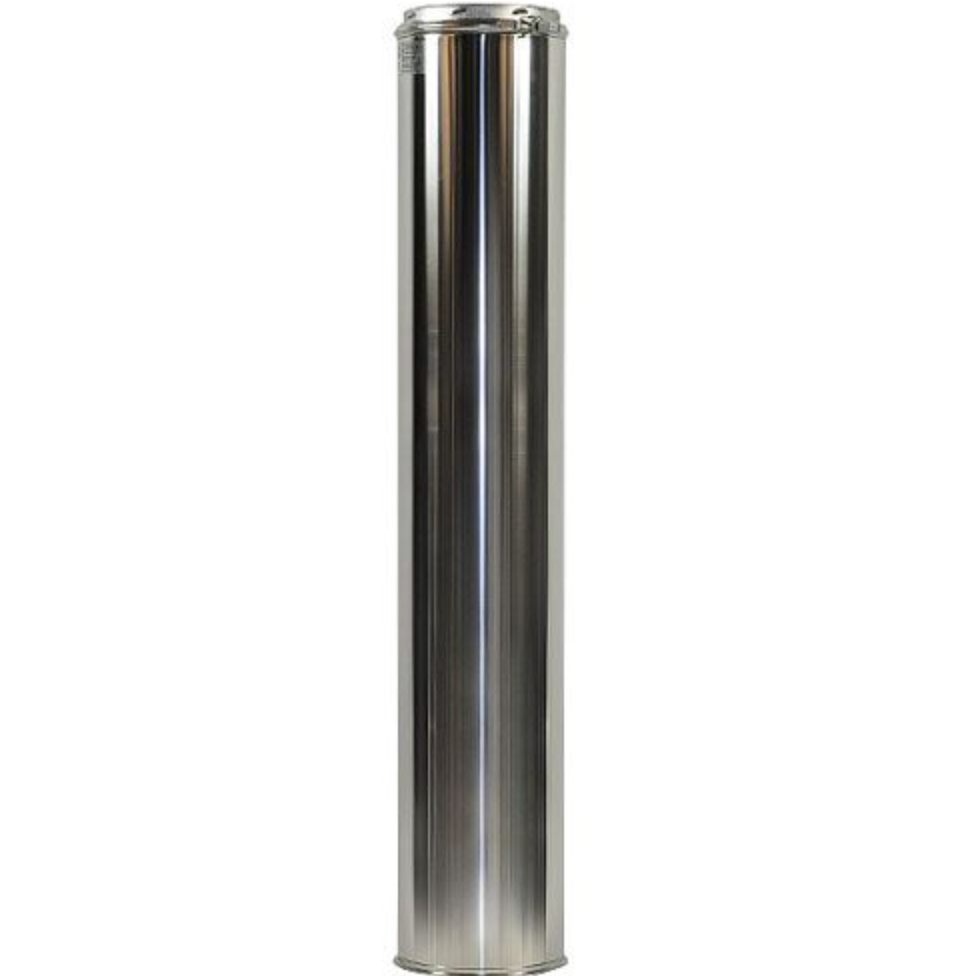

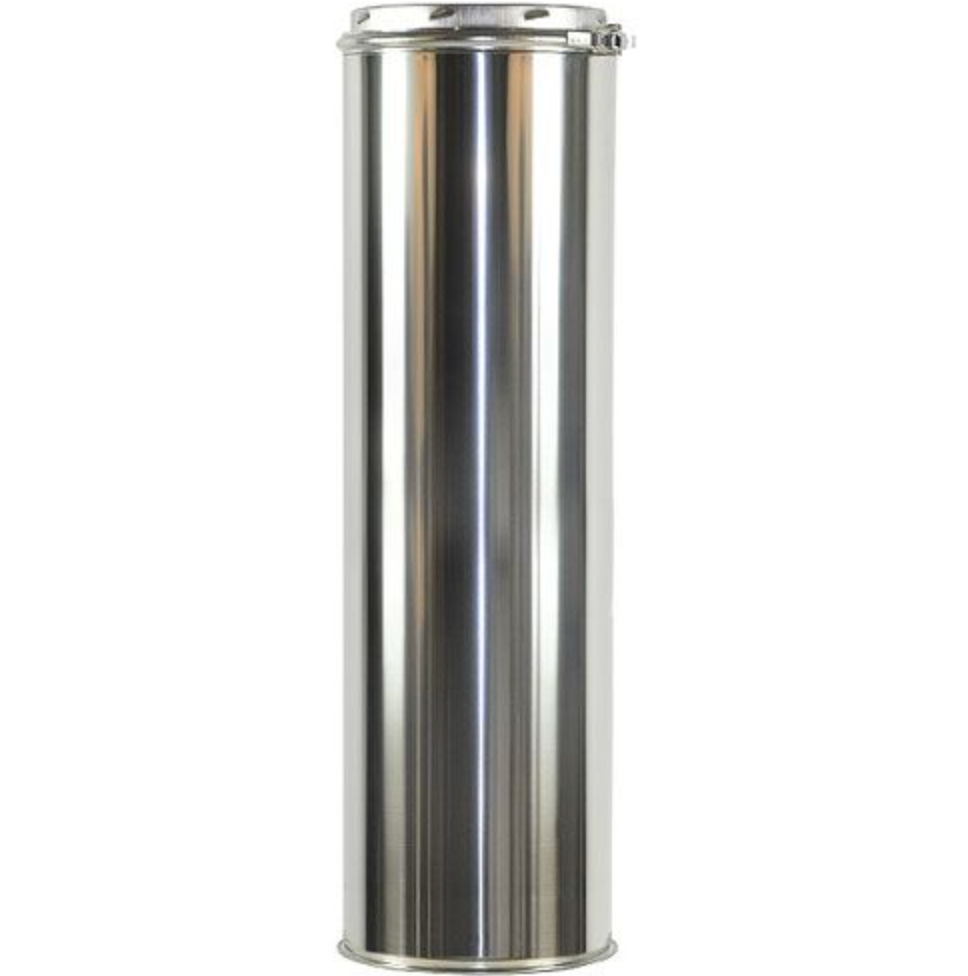


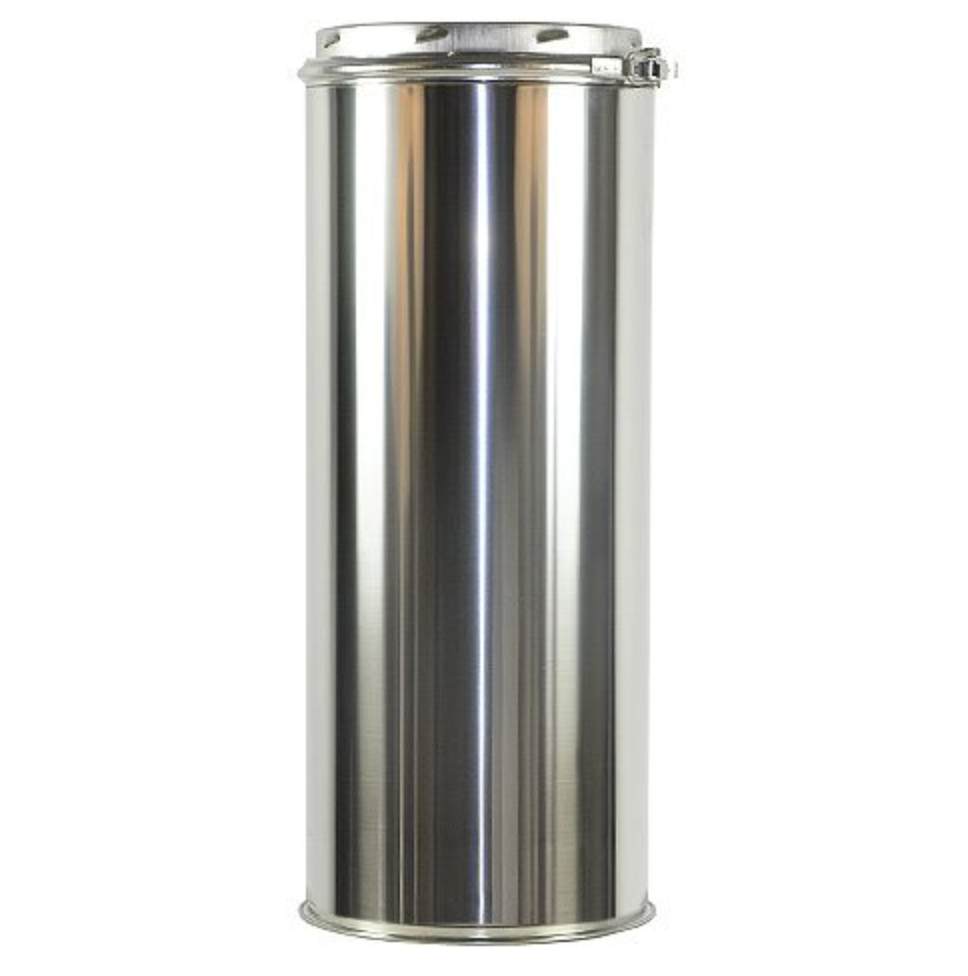


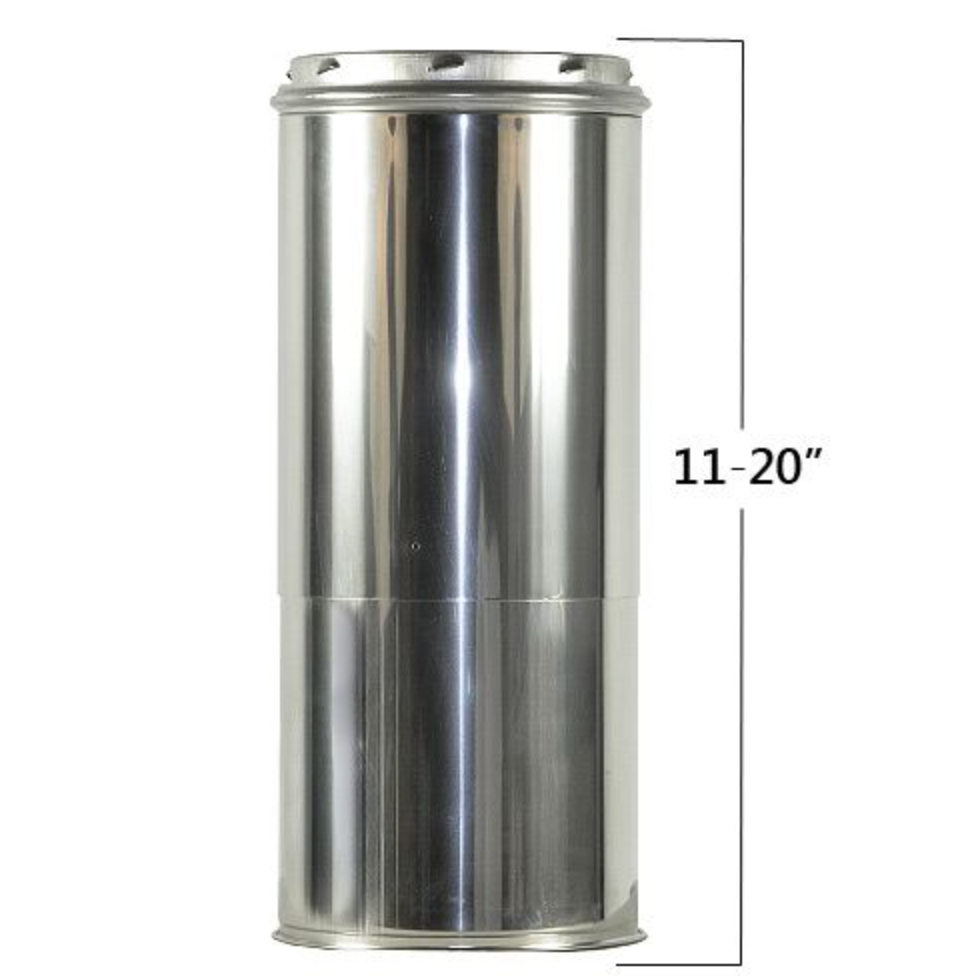


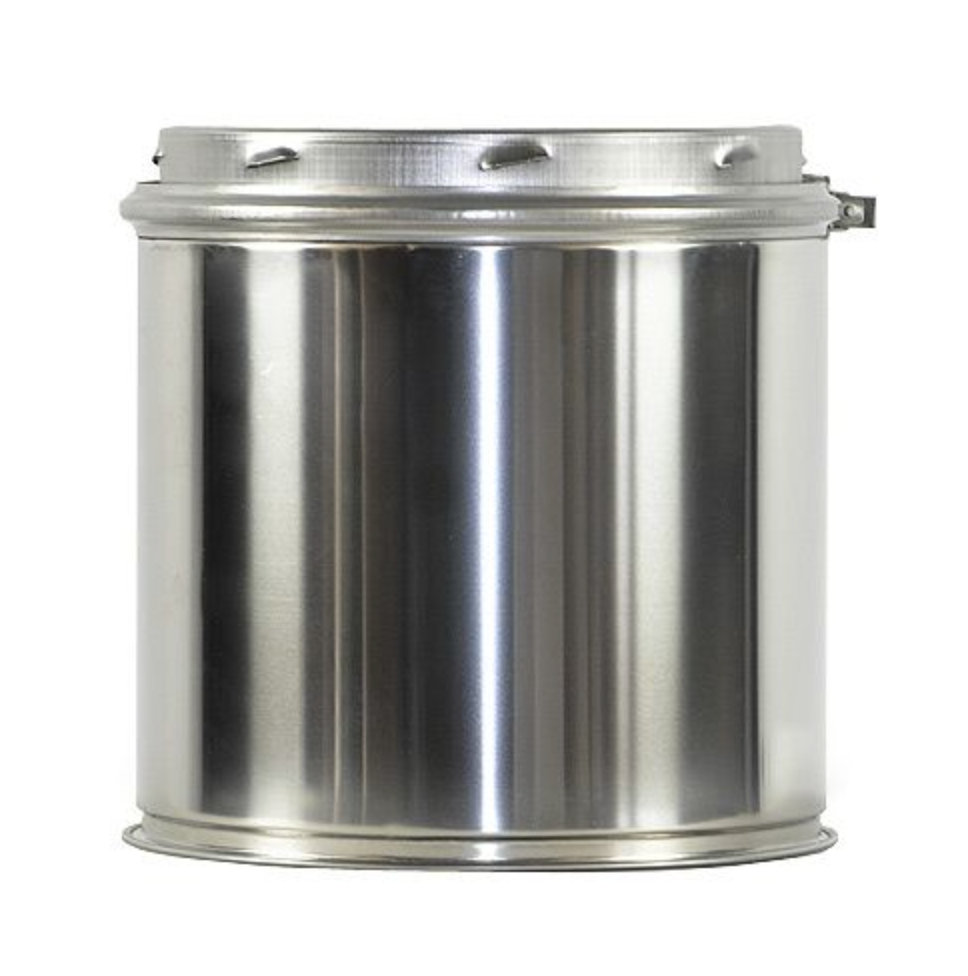


Class A Chimney Pipe Sections
Class A chimney pipe is the primary venting component used in modern chimney systems. These pipes are designed to safely carry smoke, combustion gases, and heat away from heating appliances and release them outside the home.
Insulated chimney pipe is commonly used with wood stoves, fireplaces, coal stoves, and oil-burning appliances where exhaust gases reach very high temperatures.
Most Class A chimney pipe systems use a double-wall or triple-wall construction with insulation between layers, which allows the pipe to safely handle extreme heat while maintaining a safe clearance from surrounding materials.
These insulated chimney pipes are designed to maintain a minimum clearance of approximately two inches from combustible materials, helping protect framing, ceilings, and walls during installation.
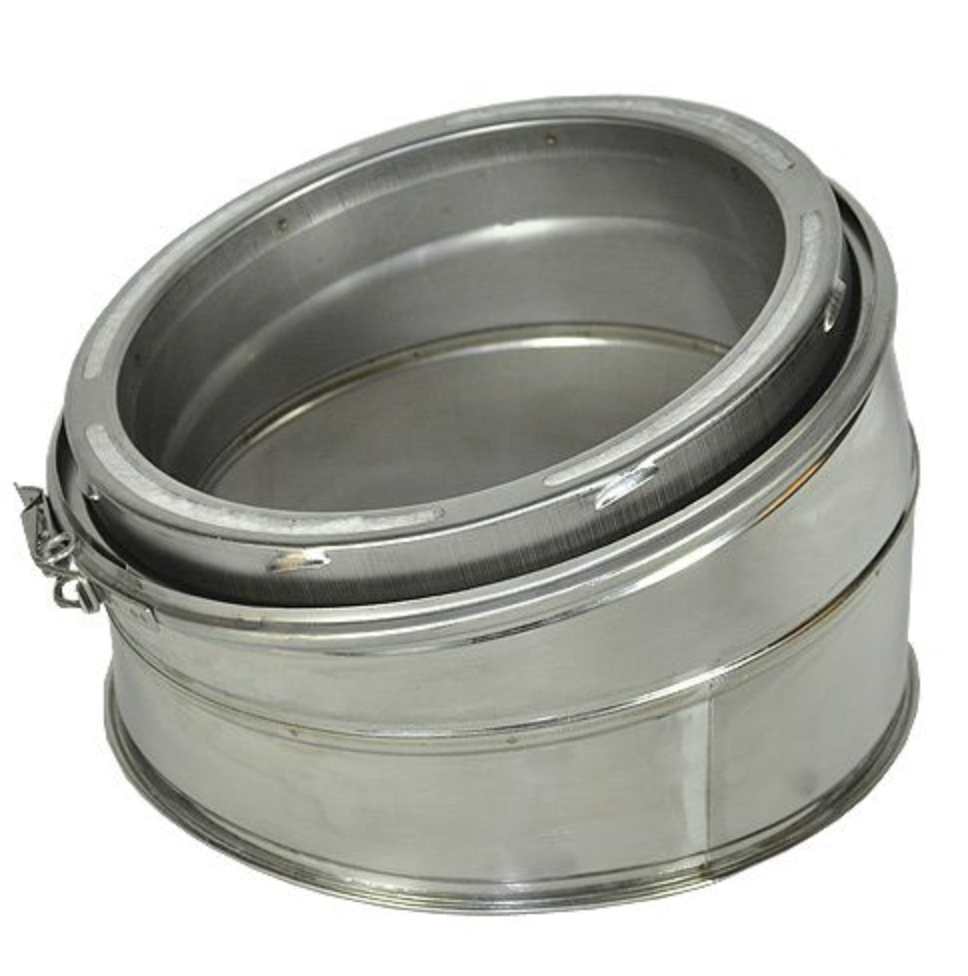
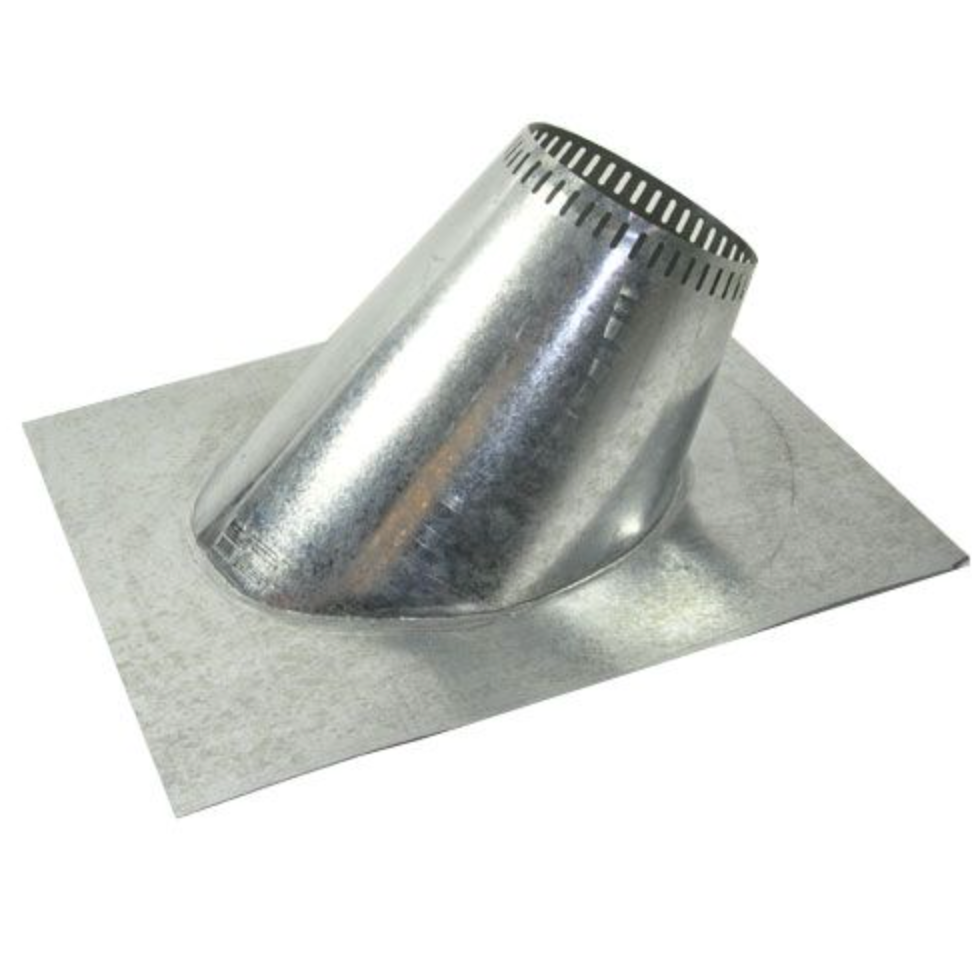
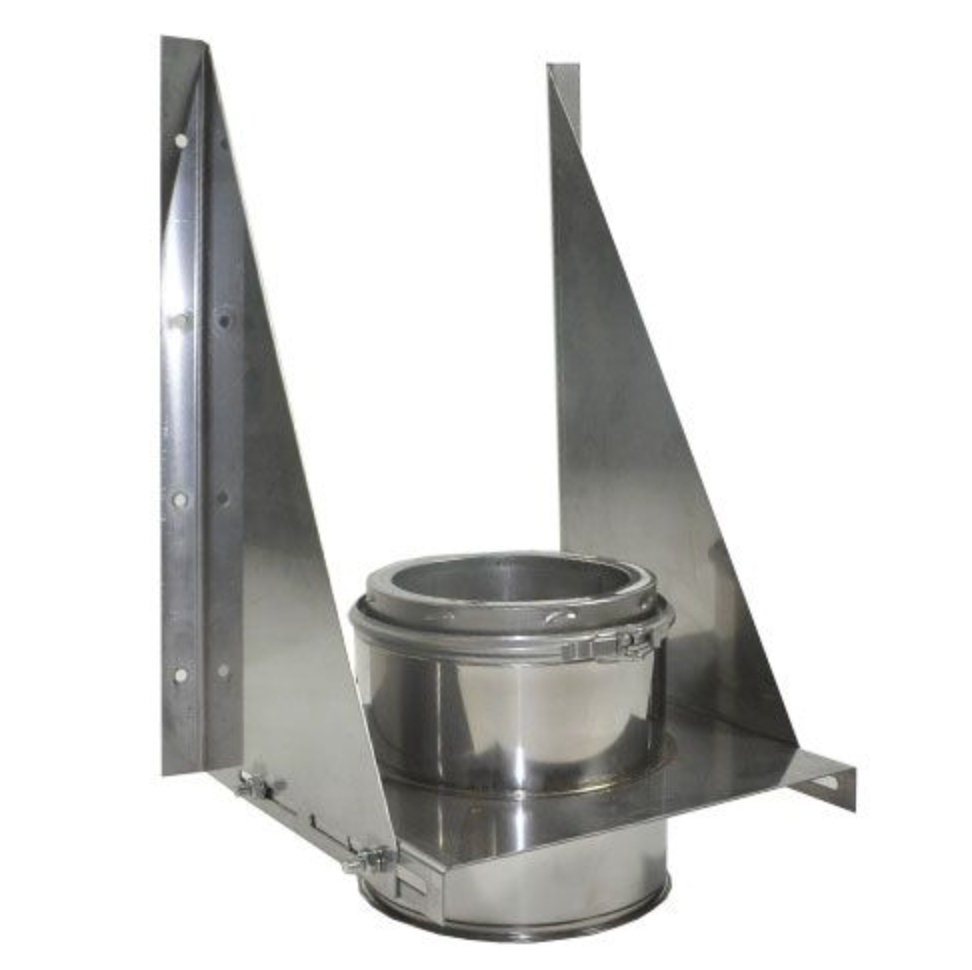
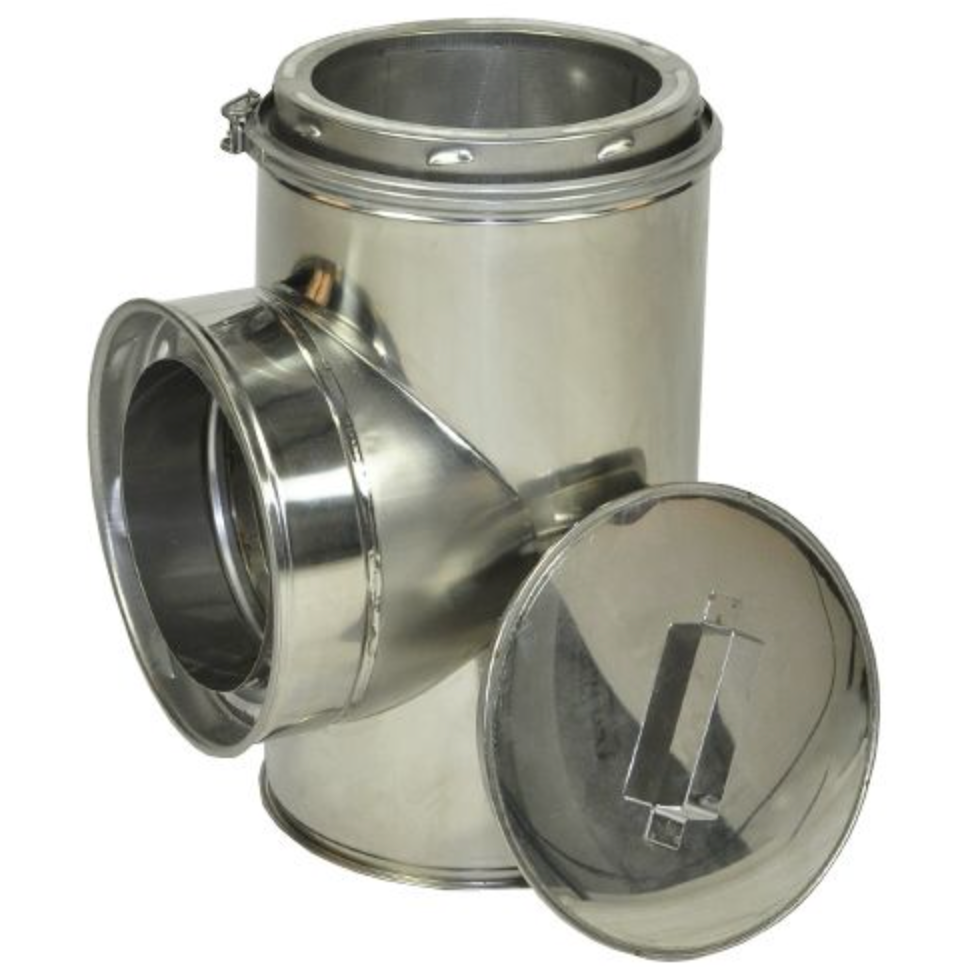
Below is an overview of chimney pipe components used in a complete venting system.
Insulated Chimney Pipe Sections
Chimney pipe sections connect together to form the vertical venting path that carries exhaust gases from a heating appliance to the top of the chimney system.
These sections are typically manufactured from stainless steel and insulated to handle the high temperatures produced by wood-burning appliances while maintaining safe exterior temperatures.
Chimney pipe sections are available in different lengths to allow installers to build the proper chimney height required for safe operation and efficient draft.
Class A Chimney Pipe Systems
Class A chimney pipe systems are specifically designed for high-temperature solid-fuel appliances such as wood stoves and fireplaces. These systems are often referred to as insulated chimney pipe, double-wall chimney pipe, or all-fuel chimney pipe.
Because of their insulated construction, Class A chimney pipes can safely pass through ceilings, walls, and roofs when installed with the proper firestop and flashing components.
These systems are commonly used in homes without masonry chimneys or when installing new wood stove venting systems.
Choosing the Right Chimney Pipe Size
The correct chimney pipe size must match the flue outlet size of the heating appliance.
Most residential wood stove and fireplace installations use:
✓ 6-inch chimney pipe
✓ 8-inch chimney pipe
Selecting the correct diameter ensures proper draft performance and safe venting of combustion gases.
Proper chimney height and diameter also play a critical role in maintaining efficient airflow and preventing smoke from backing up into the home.
Why Insulated Chimney Pipe Matters
Insulated chimney pipe is designed to handle extreme heat and maintain safe operating conditions within a chimney system. These systems help:
✓ safely vent smoke and combustion gases
✓ protect surrounding framing from heat
✓ maintain proper draft performance
✓ reduce creosote buildup inside the chimney
✓ support safe installation through ceilings and roofs
Using high-quality insulated chimney pipe helps ensure long-term safety and performance for wood stove and fireplace installations.
Chimney Pipe FAQs
Class A chimney pipe is an insulated vent pipe designed to safely carry smoke and high-temperature exhaust gases from wood stoves, fireplaces, and other heating appliances outside the home.
Stovepipe connects the heating appliance to the chimney system inside the home, while insulated Class A chimney pipe is used where the vent system passes through ceilings, walls, and roofs.
Most insulated Class A chimney pipe systems require about 2 inches of clearance from combustible materials such as wood framing or insulation.
The chimney pipe diameter must match the flue outlet size of the appliance. Most residential wood stoves use 6-inch chimney pipe, while larger appliances may require 8-inch pipe.
Yes. Insulated Class A chimney pipe is designed to safely pass through ceilings, walls, and roofs when installed with the proper firestop, flashing, and support components.
Shop by collection
Caps & Finishing Pieces
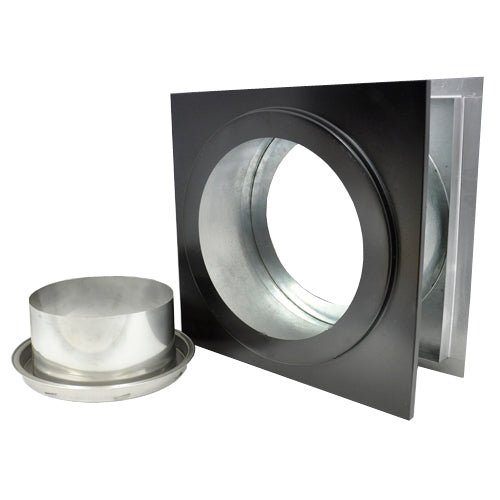
Caps & Finishing Pieces
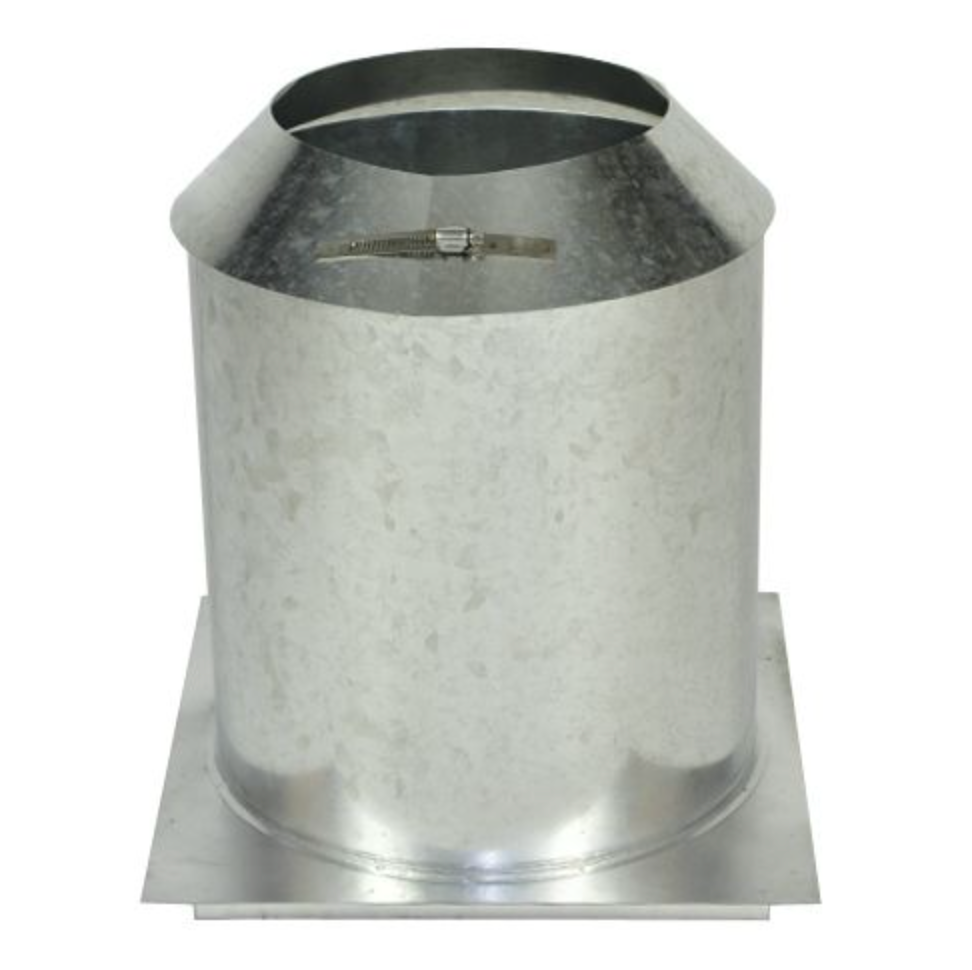
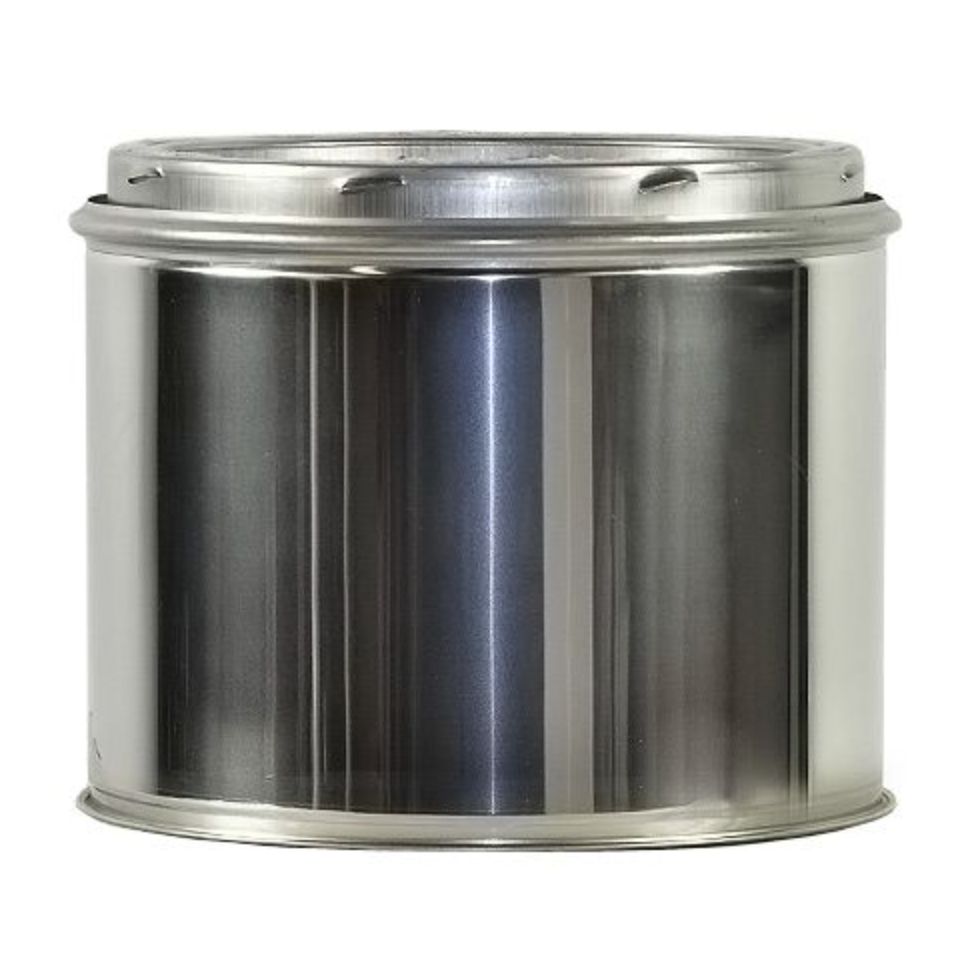
Shasta Vent provides precision-engineered chimney and ventilation components made with corrosion-resistant materials and installer-friendly designs. Our All-Fuel HT Chimney system is built to vent a wide range of heating appliances and is backed by a limited-lifetime warranty.
All installation information on this website is provided for general guidance only. Always confirm installation requirements with your appliance manufacturer, local building codes, and a qualified professional installer. Shasta Vent is not responsible for improper installation or failure to comply with local regulations.